Common Production Mistakes That Cost Time and Money (And How to Avoid Them)
Every production—whether it’s a corporate interview, branded content shoot, live event, or indie film—runs on the same fundamentals: planning, communication, and execution. When one of those breaks down, the fallout is almost always the same—delays, budget overruns, and unnecessary stress for everyone involved.
Most production problems aren’t caused by bad luck or equipment failures. They come from avoidable mistakes made early in the process, often before cameras even roll. New producers, corporate clients, and even experienced teams can fall into the same traps when timelines are tight or assumptions go unchecked.
Below are some of the most common production mistakes that quietly cost time and money—and practical ways to avoid them.
Hiring the Wrong Type of Crew
One of the most expensive mistakes happens before the shoot is even scheduled: hiring the wrong kind of crew for the job.
Not every project needs a full-service production company. At the same time, not every project can succeed with a few freelancers pulled together at the last minute. Problems arise when the scope of the project and the crew structure don’t match.
For example, a simple executive interview may only require a camera operator, sound recordist, and basic lighting. Bringing in a full commercial crew can inflate costs without adding value. On the flip side, a multi-location corporate video with multiple stakeholders can quickly fall apart if there’s no experienced producer overseeing logistics, scheduling, and deliverables.
How to avoid it:
Start by defining the complexity of the shoot, not just the end goal. Consider the number of locations, crew coordination required, approval layers, and post-production expectations. Matching crew type to project scope keeps budgets lean and workflows efficient. Using a city-based directory like ProductionHelp.io can also help you compare crew roles and services before committing.
Not Clarifying Deliverables Up Front
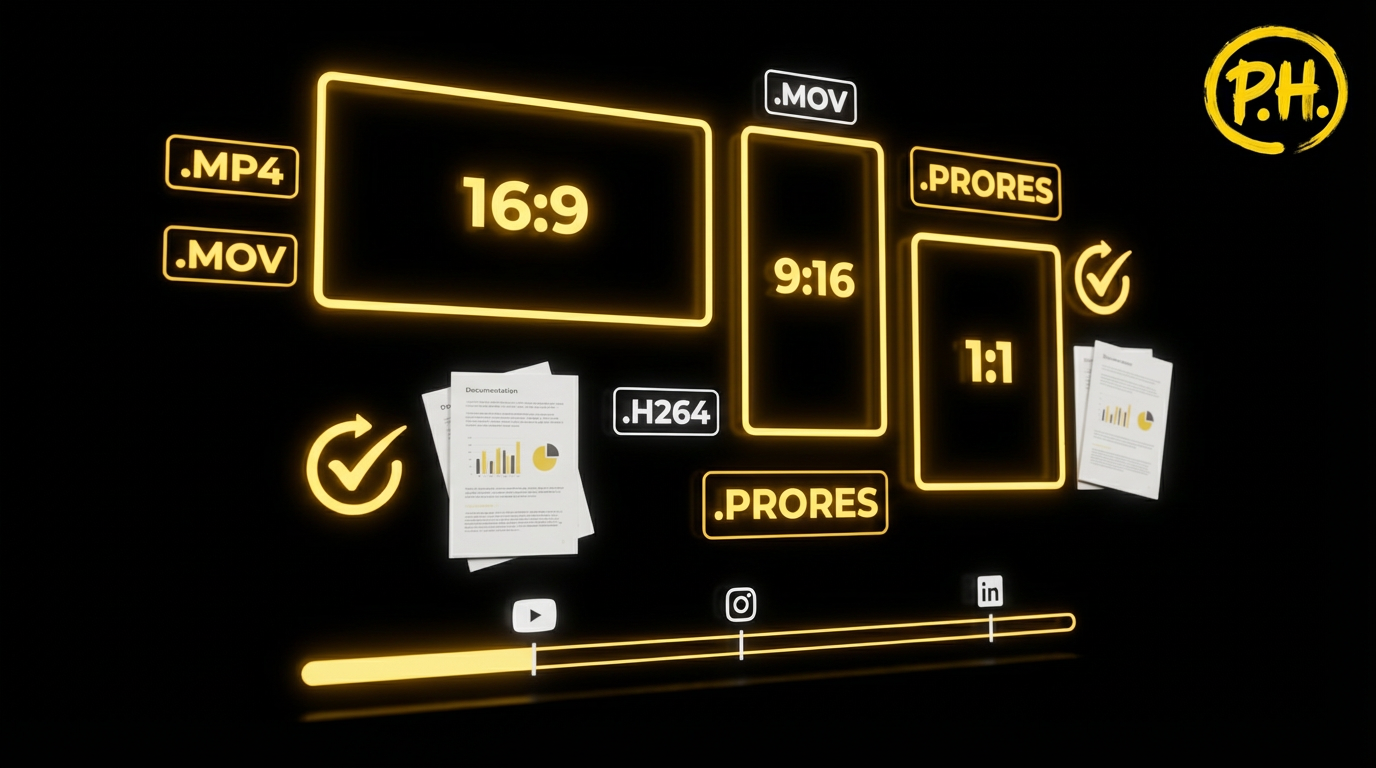
Another common—and costly—issue is vague or incomplete deliverables. Phrases like “a final video,” “social cutdowns,” or “some B-roll” sound harmless, but they leave far too much room for interpretation.
Without clear definitions, teams may assume different things about video length, aspect ratios, color grading level, music licensing, captions, or revision limits. These misunderstandings usually surface late in the process, when fixes are most expensive.
It’s especially common with corporate clients who aren’t familiar with production workflows. They may not realize that a 60-second polished brand video and five platform-specific cutdowns are separate deliverables with different timelines and costs.
How to avoid it:
Spell out deliverables in plain language before production starts. Define video lengths, formats, usage platforms, number of revisions, and what’s included in post-production. Even a short written outline can prevent days of back-and-forth later.
Underestimating Prep Time
Prep time is often the first thing cut when schedules feel tight—and it’s usually a mistake.
Location scouting, tech checks, call sheets, gear lists, talent coordination, and approvals all happen before shoot day. When these steps are rushed or skipped, the shoot itself becomes slower and more expensive. Crews spend time solving problems that should have been handled in advance, while clients watch the clock.
For example, failing to confirm power availability at a location can delay lighting setup. Not locking interview questions ahead of time can lead to multiple takes and extended shoot hours. These issues compound quickly.
How to avoid it:
Build realistic prep time into the schedule and protect it. Even small productions benefit from at least one dedicated planning phase. A well-prepared half-day shoot often runs smoother than an unprepared full day.
Ignoring Local Logistics
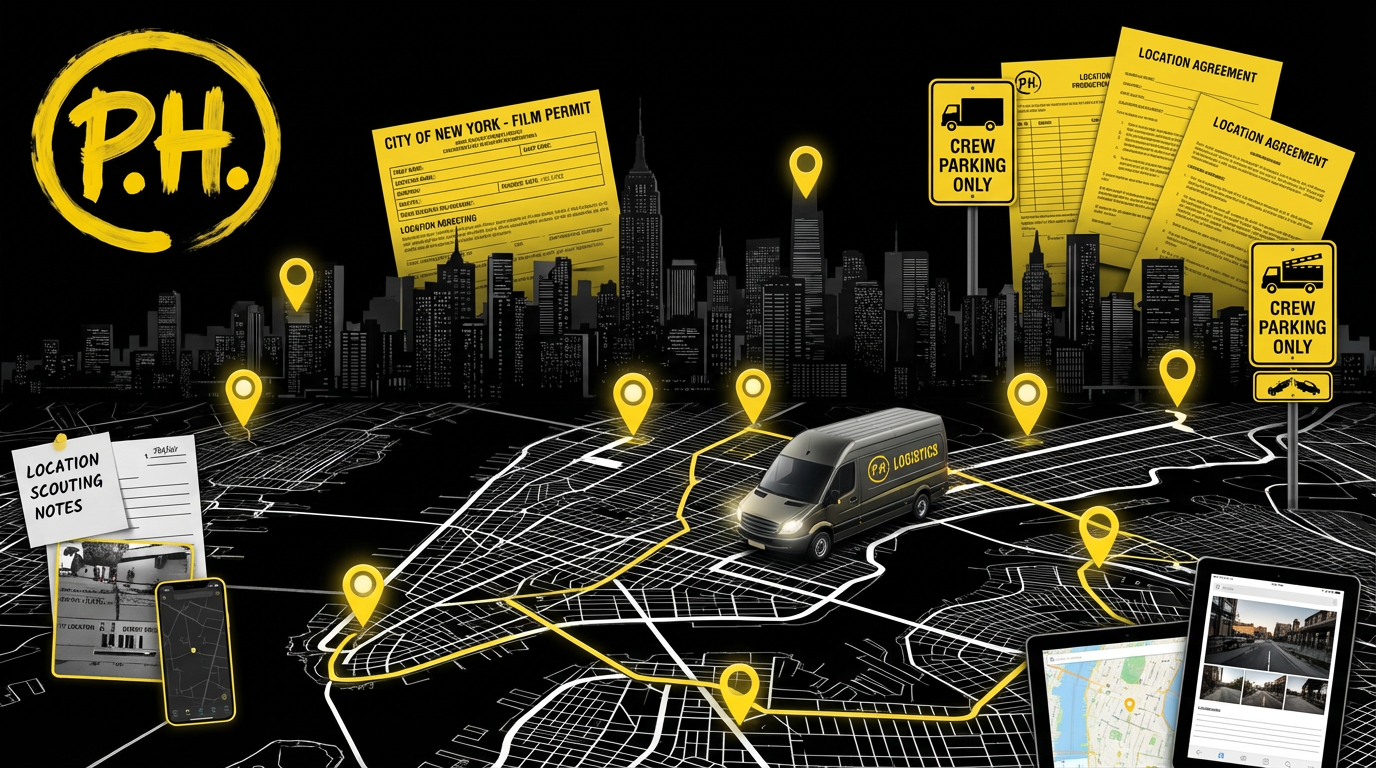
Local logistics are easy to overlook—especially when producing in an unfamiliar city. Parking rules, permits, building access, union regulations, noise restrictions, and travel time all vary by location.
Producers sometimes assume they can “figure it out on the day,” only to discover loading restrictions, permit requirements, or access delays that slow everything down. These issues don’t just waste time; they can force last-minute changes that affect footage quality.
Local crew members usually understand these challenges instinctively. They know which permits are actually enforced, when traffic spikes, and how long it takes to move between locations.
How to avoid it:
Factor local knowledge into your planning. Hire crew or coordinators who work regularly in that city and ask specific questions about logistics early. A location-aware team can prevent small oversights from turning into major delays.
Poor Communication Between Stakeholders
Many production problems come down to communication gaps—not between crew members, but between decision-makers.
When multiple stakeholders are involved, feedback can become fragmented. One person approves a plan while another changes direction later. Without a clear point of contact, crews may receive conflicting instructions, leading to reshoots or missed expectations.
This often happens in corporate environments where marketing, legal, and leadership all have input. Without a defined approval process, production timelines stretch and budgets follow.
How to avoid it:
Designate a single decision-maker or approval chain before production begins. Clarify who gives final sign-off at each stage—pre-production, shoot day, and post-production. Clear authority reduces rework and keeps the project moving forward.
Treating Post-Production as an Afterthought

Post-production is sometimes viewed as a simple “edit phase,” but it’s where many costs quietly add up.
Unclear expectations around revisions, turnaround time, graphics, or music licensing can lead to extended editing cycles. Each additional round of changes consumes time and resources, especially if notes are vague or inconsistent.
Rushed post schedules also increase the risk of mistakes—wrong exports, missed captions, or incorrect formats for delivery platforms.
How to avoid it:
Plan post-production with the same care as the shoot. Set realistic timelines, define revision limits, and agree on feedback methods. When clients understand how post-production works, the process becomes far more efficient.
Relying on Assumptions Instead of Documentation
Assumptions are one of the biggest hidden costs in production. Assuming someone else confirmed the location. Assuming gear was included. Assuming usage rights were covered.
When assumptions replace documentation, small oversights turn into expensive fixes. Even experienced teams can fall into this trap when working quickly or informally.
How to avoid it:
Document key details—scope, schedule, deliverables, responsibilities—even for small projects. Clear documentation doesn’t slow production down; it protects it.
How Better Planning Tools Help Prevent These Mistakes
Most of the issues above stem from limited visibility during planning. When producers can’t easily compare crew types, understand local logistics, or access reliable production knowledge, decisions are made with incomplete information.
Tools that centralize crew listings by city, outline real-world workflows, and provide practical answers can significantly reduce friction. Platforms like ProductionHelp.io are designed to support this planning phase—helping producers, clients, and crew make informed decisions before problems arise.
Better planning doesn’t mean overcomplicating the process. It means asking the right questions early and using the right resources to answer them.
Final Thoughts
Production mistakes rarely announce themselves upfront. They show up as overtime, reshoots, budget creep, and frustrated teams. The good news is that most of them are avoidable with thoughtful planning, clear communication, and realistic expectations.
Whether you’re producing your first corporate video or managing multiple shoots across cities, slowing down during planning often saves the most time and money in the end.