UNDERSTANDING THE ROLE OF A FILM GRIP: RESPONSIBILITIES AND ROLES
A film grip is an indispensable pillar in any film production outfit, tasked with providing essential support to the camera and lighting departments. The role of a grip is pivotal to the smooth running of a set and directly influences the final outcome viewed by the audience. Recognizing the responsibility of a grip will, therefore, enhance the organization and efficiency of managing your production team.
KEY TASKS OF A FILM GRIP
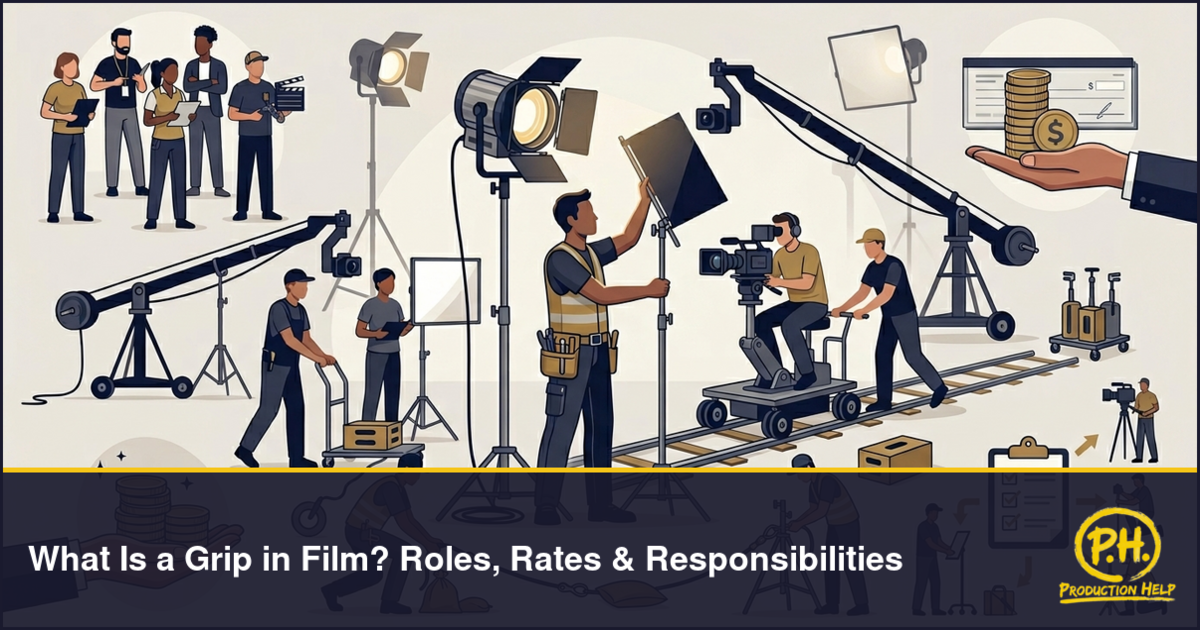
The film grip’s fundamental duty is to provide physical support for the camera and lighting paraphernalia. Their responsibility lies in the management and rigging of equipment such as dollies, cranes, lighting stands, flags and scaffolding. Grips come into play when smooth movement or tracking shots are required, manipulating dolly tracks for that purpose. When harsh sunlight comes into the picture, they position flags and diffusion frames to create desired shadows. This ensures that the lighting environment complements the director’s creative vision, without affecting camera operations.
Besides overseeing equipment, grips are in charge of safety by securing rigging setups and creating clear pathways, particularly during intricate camera movements. They also provide assistance in transporting heavy gear efficiently within the set. Without a grip, achieving dynamic, smooth shots would pose a challenge to the camera department and the precision control of lighting will be compromised.
GRIP HIERARCHY AND BASIC ROLES
There exists a firm structure within the grip department, ensuring efficient coordination during shoots. Sitting at the helm is the key grip, who is tasked with managing the grip team and liaising with the director of photography or DoP. The key grip is involved in planning gear requirements, designing rigging setups, and overseeing safe execution. The key grip and the gaffer work at the same level under the DP; our gaffer vs grip guide compares the two departments.
The best boy grip, who reports directly to the key grip, is responsible for daily errands such as an inventory audit of equipment, crew line up, and maintenance. This role serves to keep the department in check and adequately equipped.
Under the best boy grip are the dolly grips, who operate camera dollies for tracking shots, and general grips who perform various physically strenuous tasks. These include rigging flags and moving heavy gear around. Efficient teamwork and constant communication amongst these roles guarantee that all setups are accomplished without delay.
MUST-HAVE SKILLS AND TOOLS FOR A GRIP
The role of a grip requires a blend of technical knowledge and robust physical abilities. Familiarity with rigging tools, their functionality, and quick assemble or disassemble is critical. A functional knowledge of dollies, cranes, C-stands, clamps, rigging cables, sliders, flags, gobos, and sandbags is also paramount for a grip.
Given the physically demanding nature of the job, grips need to be strong and enduring, often required to lift substantial gear and spend long hours standing. Moreover, their work demands precision in handling intricately complex rigs without causing damage or interruptions during filming.
Problem-solving skills are a grip’s best friend. When conditions alter or when faced with unexpected lighting shifts or spontaneous camera angles, grips are expected to adapt swiftly and reconfigure setups. Thus, their expertise is paramount to maintaining a hazard-free environment while efficiently catering to creative demands.
HOW GRIP PAY IS USUALLY SET
What a grip earns depends on experience, the city, the type of project, and whether the production is union. Union shows often follow IATSE scales for each role. Non-union shows set pay project by project.
Key grips usually earn more than company grips because they plan the department and run the crew. Best boy grips and dolly grips sit in the middle, based on skill and responsibility. Major markets such as Los Angeles and New York often pay more than smaller cities because demand and living costs are higher.
When you build a budget, plan for overtime on long days, travel if the grip is coming from out of town, and any gear or kit fee the grip brings. An experienced grip who keeps the set safe and moving can save more time and reshoots than the difference in day pay.
HIRING THE PERFECT GRIP FOR YOUR PRODUCTION
• Verify they have experience with the specific type of production you are planning, be it commercial, narrative, or documentary.
• Ensure they are comfortable with the equipment required for your shoot, such as advanced crane rigs or specialized dollies.
• Ask for references from previous projects to verify their reliability and quality of work.
• Check for union membership if your set is unionized or when you want to align with industry standards.
• During the interview, evaluate their communication skills and teamwork attitudes.
• Validate that the grip has the physical endurance and is ready for long hours.
• Discuss availability for prep days, shoot days, and the possibility of overtime to align with your schedule.
By following these steps, you can mitigate risks and hire a grip who will ensure safety and performance on your set.
OVERCOMING COMMON CHALLENGES FACED BY GRIPS ON SET
Grips often work within tight shooting schedules that necessitate quick rigging and de-rigging of equipment. Any delays can bring production to a complete halt. Therefore, thorough pre-production planning and crystal-clear communication of shot requirements can help grips prepare gear beforehand, saving crucial time.
Heavy lifting is a constant challenge faced by grips. Promoting the use of correct lifting techniques and giving adequate breaks can reduce injury risks. Providing the crew with equipment such as dollies for off-camera movement of gear can also be beneficial.
Faulty equipment or lack of gear can lead to delays that stress the entire team. To curtail this, maintain an organized inventory and have backup tools readily accessible to brace for unexpected issues.
By understanding these challenges and planning ahead, you can cultivate an efficient grip crew that performs well under pressure.